


Creating your sanctuary: Damage-free personalisation, without risking your deposit

For many renters, a property only starts to feel like home once you’ve made it your own. A few pictures on the wall. A mirror in the hallway. Something that makes the space feel familiar.
At the same time, deposits matter more than ever. With rents high and moving costs adding up, most tenants want to avoid even the smallest risk of deductions at the end of a tenancy.
The good news is that personalising a rented home doesn’t have to mean damage, stress, or awkward conversations. In fact, as renting becomes more long-term for many households, landlords are often open to sensible changes, as long as the property is respected and the process is clear.
This guide explains how to personalise your home safely, what landlords are usually comfortable with, and how to avoid the common mistakes that cause problems later.
Start With Changes That Leave No Trace
If something can be removed cleanly, it’s usually the safest place to start.
Use Command Hooks Instead of Nails
Hanging pictures is one of the most common causes of wall damage. Nails and screws leave holes that need filling and repainting, even if you’re careful.
Adhesive hooks and strips are designed to hold weight without marking the wall when used properly. They’re ideal for:
- Artwork and frames
- Clocks
- Lightweight shelves and décor
The key is following the instructions exactly, especially when removing them. Most damage happens when strips are pulled off too quickly or at the wrong angle.
For tenants, this keeps walls intact. For landlords, it reduces end-of-tenancy repairs. Everyone wins.
Peel-and-Stick Solutions Have Come a Long Way
Full-length mirrors, wall panels, and decorative tiles can be tricky in rented homes because they’re often heavy or fixed permanently.
Peel-and-stick options are now a realistic alternative. When chosen carefully, they:
- Avoid drilling into plaster or tiles
- Sit flush and look permanent
- Can usually be removed without leaving marks
Always check weight limits and surface types before installing anything. Some finishes, especially freshly painted walls, need extra care.
If you’re unsure, it’s worth asking which walls are best suited before you start.
Thinking About Bigger Changes? Ask First
Painting a feature wall. Installing shelving. Making a change that isn’t fully reversible.
These are the situations that cause the most confusion, not because the idea is unreasonable, but because permission isn’t always clear.
Why Asking Properly Matters
Many landlords are open to small upgrades if they know:
- What’s being changed
- How it will be finished
- Whether it will stay or be put back at the end of the tenancy
Problems usually arise when changes are assumed rather than agreed.
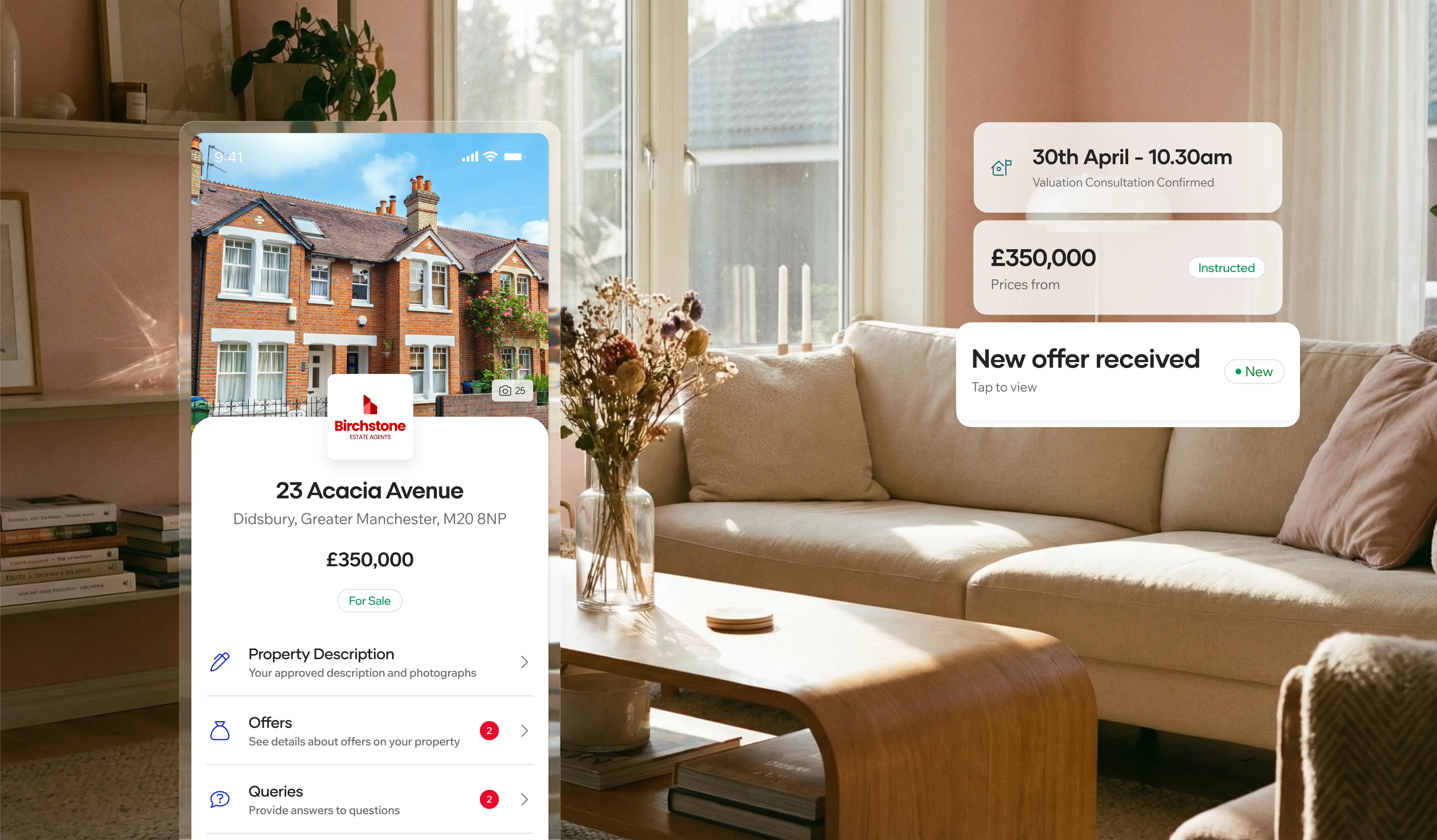
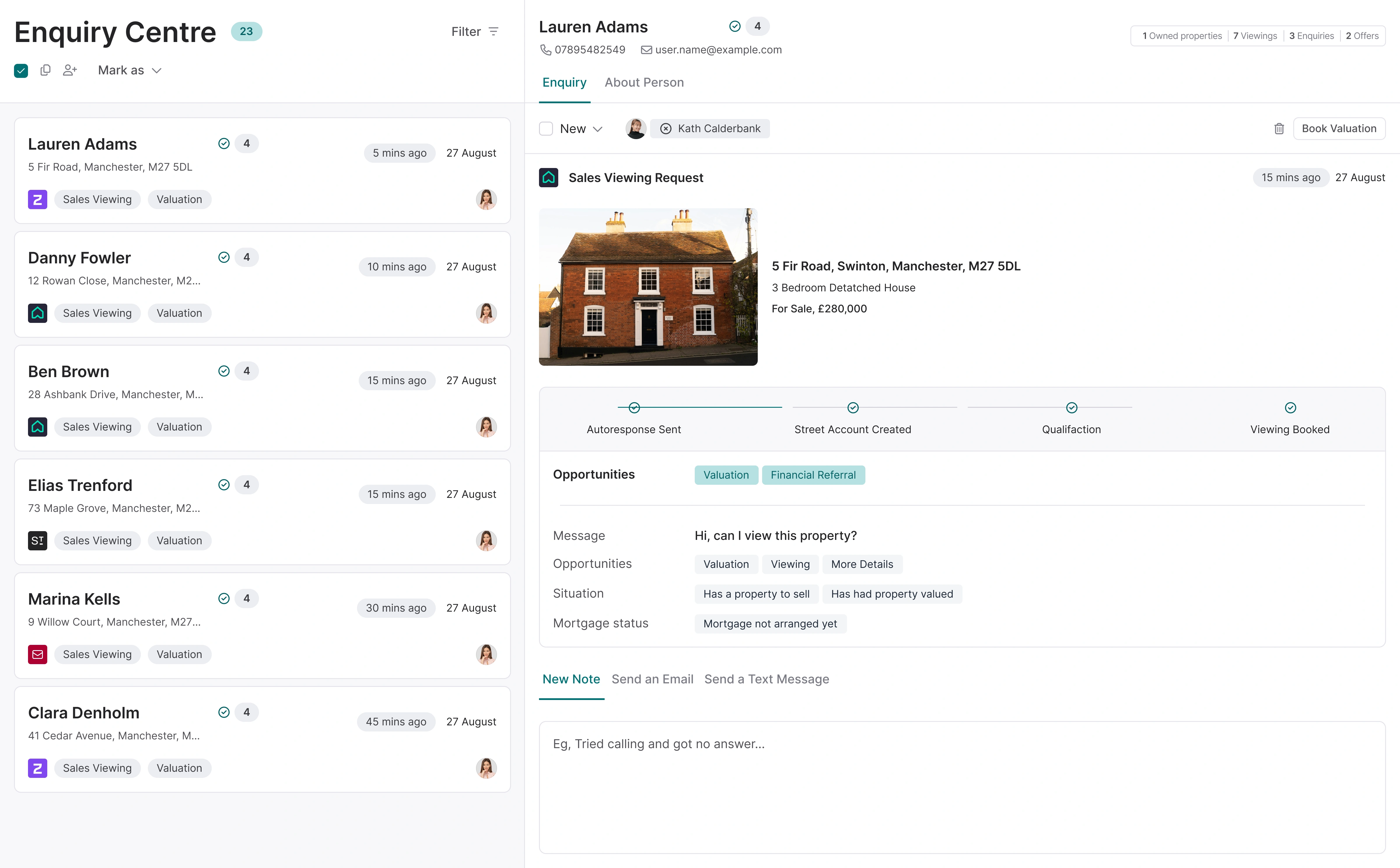
Using the Stree.co.uk app, tenants can quickly access their agents' contact details to request permission for larger changes via email. Keep a clear record of what’s been approved. That protects you if questions come up later.
It also helps your landlord feel confident that the property is being looked after, not altered without thought.
Why This Approach Fits Today’s Rental Market
More renters are staying put for longer. Moving less often means people want their homes to feel comfortable, not temporary.
Landlords know this too. A tenant who feels settled is more likely to:
- Look after the property
- Report issues early
- Stay longer, reducing turnover and re-letting costs
Damage-free personalisation sits in the middle. You get a home that feels like yours. The property stays in good condition.
The Takeaway
You don’t have to live with bare walls to protect your deposit.
If you stick to changes that can be undone, take care with how things are installed, and ask before making permanent updates, you can make your rented home feel personal without creating problems later.
When you’re unsure, ask. When you agree something, keep it clear.
A home that feels personal is easier to look after. Done properly, it’s better for you and better for the property.
.jpg)


.png)


.png)


.jpg)
.png)
.png)
.png)
.jpg)


%20(1).png)
.jpeg)


.png)


.jpeg)


.jpeg)


.png)


.jpg)